
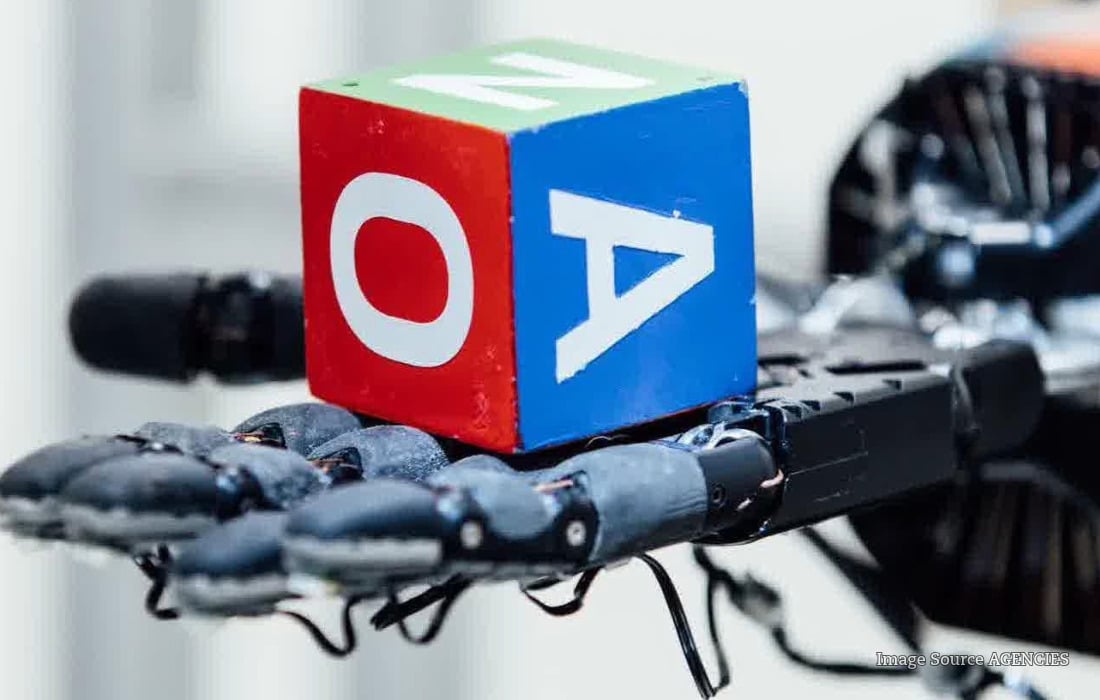
OpenAI is developing AI-powered humanoid robots, with CEO Sam Altman targeting a demonstration in 2027. The robots could eventually assist people at home and work
WASHINGTON: OpenAI, the company behind ChatGPT, is developing humanoid robots as it seeks to bring artificial intelligence into the physical world.
CEO Sam Altman confirmed the plans, saying the company expects to demonstrate its robotics technology in 2027.
The project aims to create intelligent machines capable of understanding their surroundings, making decisions and performing physical tasks.
However, OpenAI has not revealed the robot’s design, specifications or commercial launch date.
AI Brain Remains Biggest Challenge
Altman identified the robot’s artificial intelligence system as the biggest development challenge.
Unlike conventional machines, humanoid robots must recognise objects, interpret instructions and respond to unexpected situations.
They also need advanced motion control to move safely and perform everyday activities.
Altman believes humanlike designs make practical sense because homes, offices and workplaces already accommodate human movement.
Robots Could Assist With Daily Tasks
OpenAI aims to develop general-purpose robots capable of performing different activities rather than a single repetitive task.
Possible applications include household assistance, industrial operations and infrastructure maintenance.
The company is recruiting specialists in robotics, engineering, manufacturing and AI systems.
OpenAI previously explored robotic manipulation through its Dactyl research project, which trained a robotic hand to solve a Rubik’s Cube.
When Will OpenAI Robots Become Available?
Altman expects an impressive demonstration in 2027 but cautioned that widespread public deployment remains several years away.
The company must overcome challenges involving reliability, safety and real-world adaptability before commercialisation.
Impact to Expect
OpenAI’s expansion could accelerate innovation in robotics, increase competition and create new applications for artificial intelligence.
However, practical household robots remain a longer-term goal rather than an immediate consumer product.
