
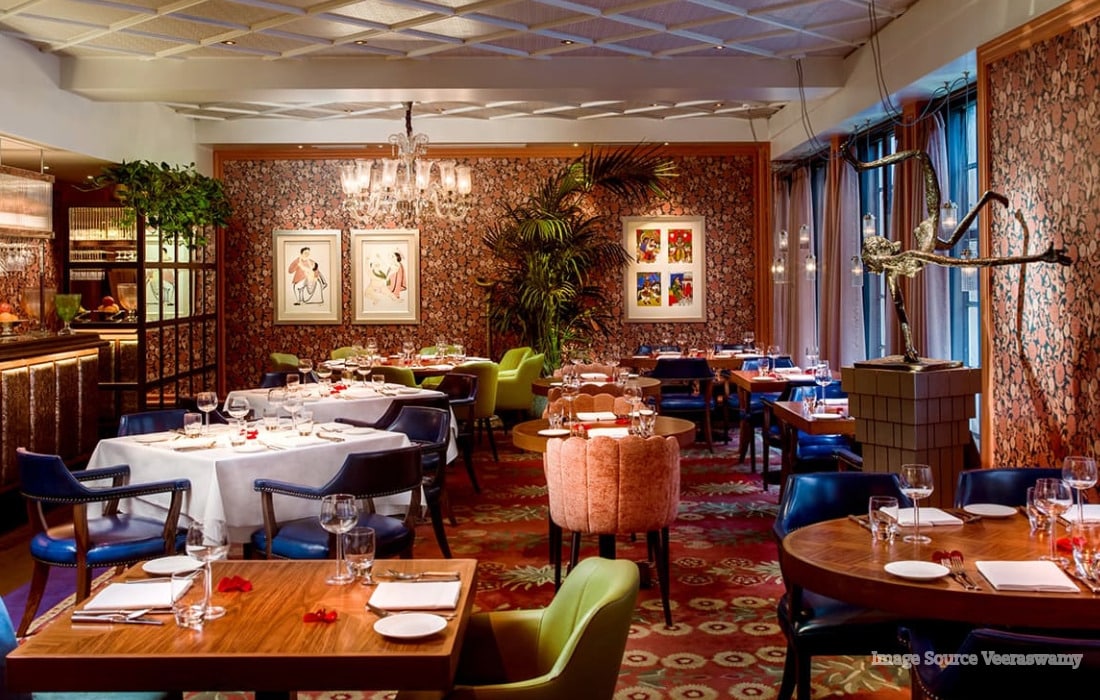
London’s century-old Veeraswamy restaurant is fighting to remain on Regent Street after the Crown Estate declined to renew its lease, with its chairman alleging Indian cuisine has been undervalued in the dispute.
Britain’s oldest surviving Indian restaurant, Veeraswamy, has accused its landlord of showing what its chairman describes as “cultural bias” as the Michelin-starred institution battles to remain at its historic Regent Street home.
The restaurant has operated from Victory House since 1926, making 2026 its centenary year. Its landlord, the Crown Estate, has declined to renew the lease as part of plans to refurbish the building and reorganise its office space.
Owner questions treatment of Indian cuisine
Ranjit Mathrani, chairman of parent company MW Eat, has argued that the restaurant’s cultural importance has not been sufficiently recognised.
Speaking about the dispute, Mathrani suggested Indian cuisine may not be viewed with the same prestige as French or other European fine dining and questioned whether a comparable European restaurant would have faced the same situation. The allegation remains Mathrani’s interpretation of the dispute.
Crown Estate cites redevelopment plans
The Crown Estate says Victory House requires a comprehensive refurbishment, including work to upper-floor offices that have remained vacant following a 2023 flood.
Its plans include altering the building’s entrance arrangements, which would affect Veeraswamy’s existing access. The Crown Estate says it has considered alternatives but must also meet its legal responsibilities to manage the property and generate long-term public value.
A century of history
Veeraswamy has hosted generations of diners and notable figures including Winston Churchill, Charlie Chaplin and Queen Elizabeth II. It received a Michelin star in 2016.
A campaign to save the restaurant has attracted around 20,000 petition signatures, while the dispute is expected to return to court in November.
Impact to expect
The case could become a wider debate about how London balances redevelopment with the protection of long-standing cultural and culinary institutions.
