
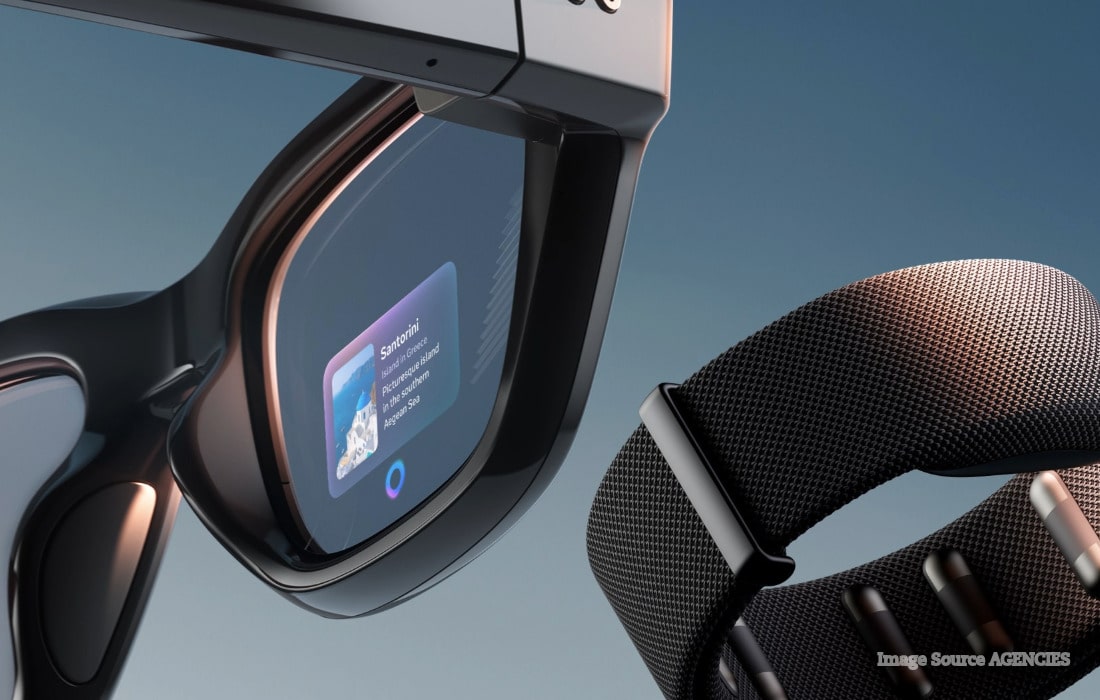
Camera glasses are facing growing global bans and strict public use limitations due to covert recording fears and consent violations
LONDON: Camera glasses are facing growing calls for tighter regulation as concerns over secret recordings, voyeurism and personal privacy intensify.
The debate has gained attention following fresh scrutiny of wearable technology in Britain and Europe. On October 15, 2026, reporting highlighted concerns over public photography, while British lawmakers continued discussing restrictions on smart glasses.
Major technology companies, including Meta, Google and Snap, could face tougher regulatory requirements as governments examine how camera-equipped devices affect public privacy.
Why are people calling for camera glasses restrictions?
A 2026 survey by Security.org questioned 1,096 American adults about smart glasses and privacy.
The research found that 85% supported laws requiring visible indicators whenever smart glasses record. Of those surveyed, 63% strongly supported the measure.
These findings show substantial public support for stricter recording safeguards, although they do not establish majority support for a complete ban.
Consumers worry that increasingly discreet devices could record conversations, capture images and collect personal information without clear consent.
Why is Even Realities demanding tougher legislation?
Camera-free smart glasses company Even Realities has joined the debate.
On October 12, its founder and chief executive, Will Wang, published an open letter calling for a temporary ban on camera-equipped eyewear until stronger privacy regulations are introduced.
Wang argued that smart glasses could offer useful features without built-in cameras.
His company’s Even G2 glasses provide functions including notifications and transcription without capturing photographs or videos.
The proposal adds an unusual industry voice to the debate, with a smart glasses manufacturer publicly supporting restrictions on competing camera-equipped products.
Could Meta, Google and Snap face new restrictions?
Meta has invested heavily in smart glasses through its Ray-Ban collaborations.
Google and Snap have also pursued wearable technology, making future privacy regulations important to their product plans.
Governments and organisations are already responding.
British courts have restricted camera-equipped smart glasses, while Australian authorities have considered measures addressing recording risks.
These developments could encourage technology companies to improve consent controls, recording indicators and privacy protections.
What are European privacy regulators saying?
On October 13, the European Data Protection Board highlighted growing risks involving connected smart glasses.
Regulators raised concerns about discreet recording, personal data collection and insufficient transparency.
Schools, hospitals and workplaces were identified as particularly sensitive environments.
However, smart glasses also offer accessibility benefits, including assistance for people with visual impairments.
The challenge for regulators is protecting privacy without unnecessarily restricting useful technology.
Impact to expect
Growing scrutiny of camera glasses could lead to clearer recording rules, stronger privacy safeguards and restrictions in sensitive public spaces. Technology companies may need to redesign features to address consumer concerns. For the UAE and wider Middle East, these developments could influence future approaches to wearable technology and digital privacy.
