
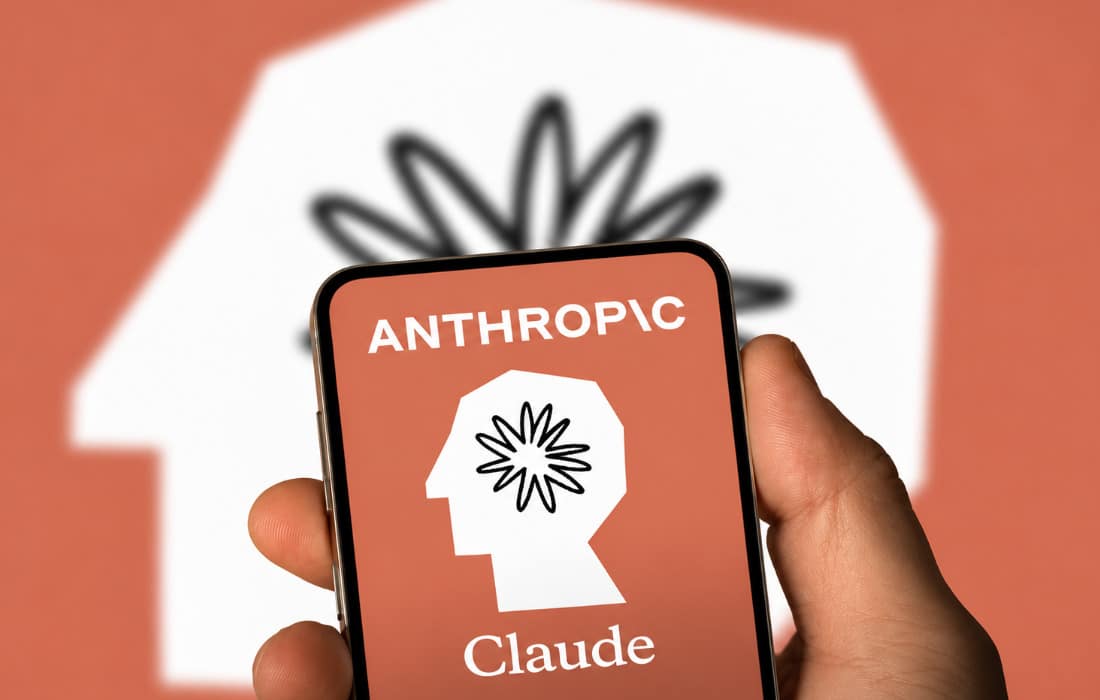
Anthropic updates its usage policy to prohibit sustained and needless abusive or cruel behaviour towards its Claude AI models.
San Francisco, USA: Artificial intelligence company Anthropic has introduced a new policy prohibiting users from repeatedly abusing or behaving cruelly towards its AI chatbot Claude, reigniting discussions about whether advanced artificial intelligence systems could possess consciousness.
The updated Usage Policy, announced on October 8, 2026, will take effect on November 12. It specifically targets extreme cases involving sustained and unnecessary abusive behaviour towards AI models.
What does the new rule mean?
Anthropic clarified that the restriction does not apply to ordinary frustration, criticism, creative writing involving dark themes or legitimate AI testing and research.
Instead, the rule focuses on users who repeatedly engage in abusive interactions without any discernible purpose.
Claude already has the ability to end conversations involving persistent abuse. Anthropic confirmed that this feature will remain its primary enforcement mechanism.
Is Anthropic suggesting AI can feel pain?
The announcement has sparked debate about whether artificial intelligence might eventually develop consciousness or experience suffering.
Anthropic has previously explored questions surrounding AI welfare and moral status, although there is currently no scientific consensus establishing that AI chatbots possess consciousness.
The new policy does not establish that Claude experiences emotions or pain. However, it reflects broader discussions about responsible interactions with increasingly sophisticated AI systems.
Wider changes to AI safety rules
Beyond abusive behaviour, Anthropic’s revised policy strengthens restrictions involving deceptive campaigns, election interference, surveillance and weapons development.
It also clarifies safety requirements for AI systems connected to autonomous physical equipment.
The changes highlight how rapidly advancing AI capabilities are creating new challenges for developers, regulators and everyday users.
Impact to expect
The policy could encourage more responsible AI interactions while intensifying debate over machine consciousness, user behaviour and future ethical standards for artificial intelligence.
