
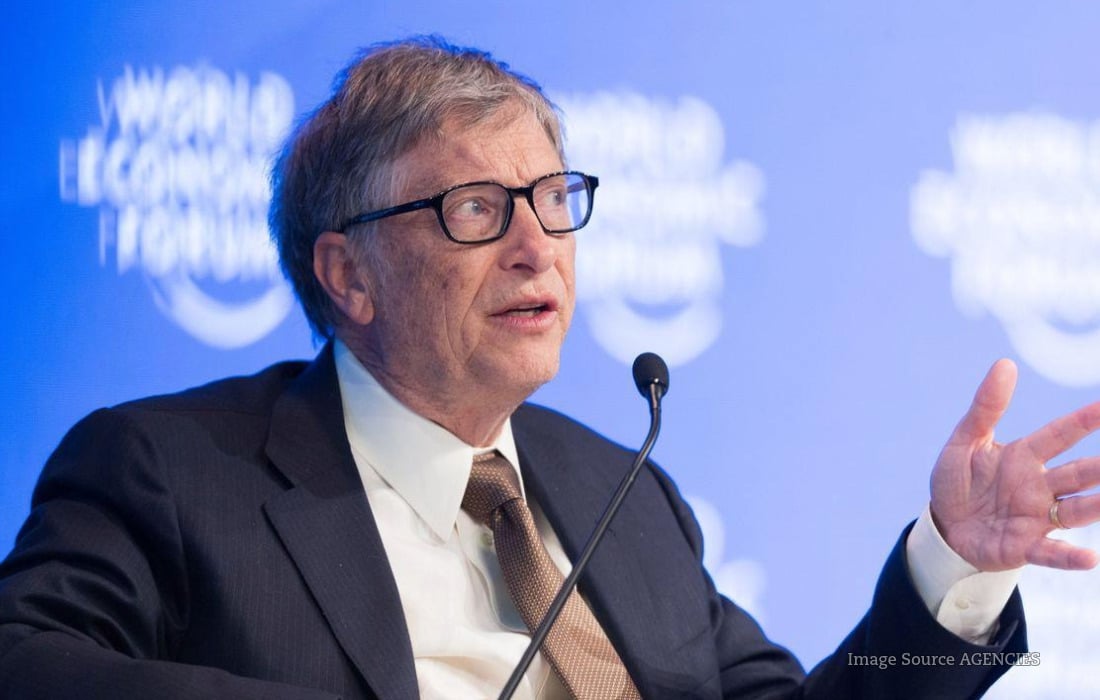
Microsoft co-founder Bill Gates warns that unregulated artificial intelligence will trigger a dramatic surge in AI-powered cyberattacks within the next year. He has called for stronger safeguards and government oversight to protect businesses, financial institutions and digital infrastructure.
WASHINGTON: Microsoft co-founder Bill Gates has warned that AI-powered cyberattacks could increase significantly over the coming year, raising concerns about the safety of financial systems, businesses and essential digital services.
Speaking to CNN’s State of the Union on October 11, 2026, Gates highlighted the growing danger of criminals accessing advanced artificial intelligence tools without adequate safety restrictions. His warning comes as cybersecurity experts report increasingly sophisticated digital threats.
Why Bill Gates believes cyber threats could intensify
Gates believes the immediate danger from artificial intelligence lies less in machines acting independently and more in people deliberately misusing powerful technologies.
He warned of “a lot of negative surprises” over the next year, particularly involving cyberattacks.
Criminals could potentially use AI to accelerate malicious activities, identify weaknesses in computer systems and launch more sophisticated attacks against organisations.
Financial institutions are particularly vulnerable because attackers may attempt to disrupt operations, demand payments or exploit market movements for financial gain.
How artificial intelligence is changing cybercrime
Artificial intelligence is already transforming cybersecurity by enabling faster threat detection and automated monitoring. However, similar capabilities can also assist criminals.
AI-powered cyberattacks may involve convincing fraudulent messages, automated hacking attempts and malicious software designed to evade conventional security systems.
According to CrowdStrike’s 2026 Global Threat Report, activity involving AI-enabled adversaries increased by 89 per cent during 2025.
The report also recorded an average cybercriminal breakout time of 29 minutes, demonstrating how quickly attackers can move through compromised networks. These findings reflect the company’s observed threats rather than every cyberattack worldwide.
Why stronger AI regulation matters
Gates has urged governments to introduce more effective safeguards governing the development and use of powerful AI models.
He argued that existing protections are insufficient to address the risks associated with increasingly accessible technology.
The discussion also comes amid wider calls for stricter industry accountability, improved security testing and coordinated international oversight.
Microsoft president Brad Smith has separately advocated stronger global AI safety standards, including incident reporting requirements and emergency controls for potentially dangerous systems.
What businesses and individuals should do
Cybersecurity specialists recommend strengthening account authentication, updating software regularly and training employees to recognise suspicious communications.
Organisations handling sensitive financial or customer information should also review their incident response plans and monitor systems for unusual activity.
Individuals can reduce exposure by using unique passwords, enabling multifactor authentication and verifying unexpected requests for payments or confidential information.
Impact to expect
The warning could push businesses and governments across the UAE, Middle East and South Asia to strengthen cybersecurity. As AI-powered cyberattacks become more sophisticated, stronger digital security and safer AI systems will be essential to protecting businesses, banks and critical infrastructure.
